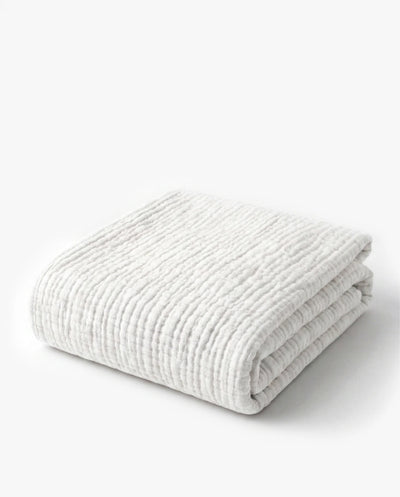
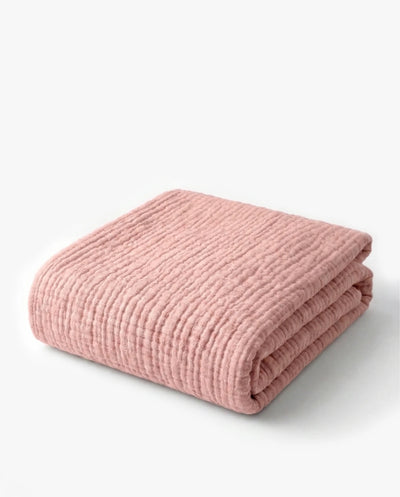
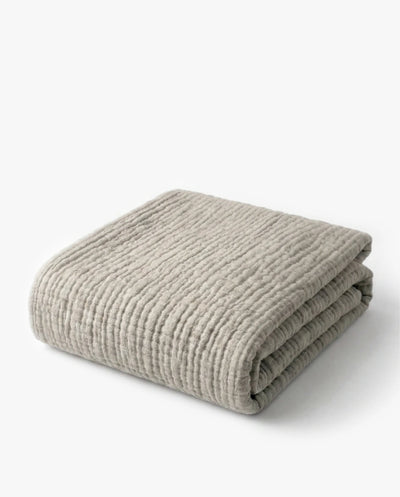
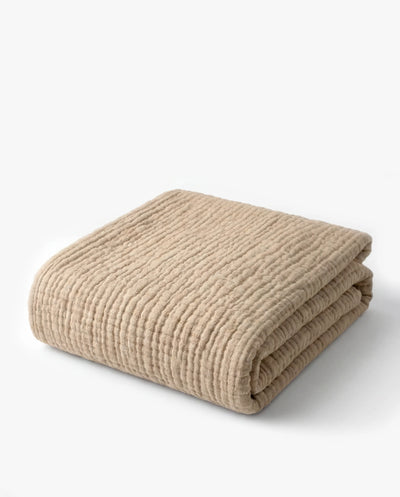
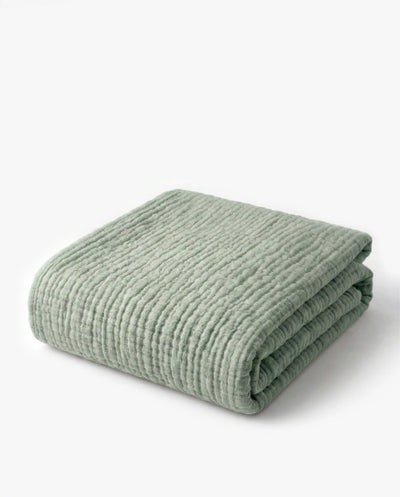
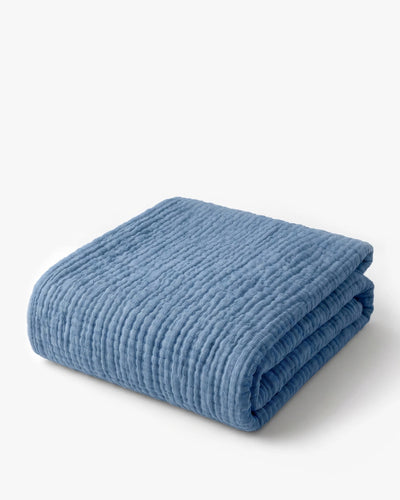


A fleece blanket can be one of the easiest ways to add warmth and comfort to your bedroom or living room, especially during colder months. But not every fleece blanket offers the same level of softness, warmth, durability, or overall quality.
Some blankets feel soft when they're new but lose their texture after a few washes. Others may look thick but provide less warmth than expected. That's why it's important to look beyond color and appearance when shopping for a fleece blanket.
In this buyer guide, we'll explain exactly what to look for when choosing a high-quality fleece blanket, from fabric feel and weight to stitching, size, maintenance, and everyday durability.
At The Cotton Living, we believe a good blanket should feel comfortable, look great, and remain useful after repeated everyday use.
What Makes a Fleece Blanket High Quality?
A high-quality fleece blanket should balance softness, warmth, weight, durability, and easy care.
Before buying, pay attention to:
- Fabric softness
- Fleece thickness
- Overall weight
- Stitching and finishing
- Blanket size
- Color and design
- Washing instructions
- Intended use
A blanket that performs well in all of these areas is more likely to provide lasting comfort.
1. Check the Softness of the Fleece
Softness is one of the main reasons people choose fleece blankets.
When shopping online, look closely at the product description and fabric details. A quality fleece blanket should feel smooth and plush, not rough or stiff.
Soft fleece is particularly comfortable when the blanket is used directly against your skin while sleeping, relaxing, or watching TV.
However, softness shouldn't be the only factor. Some very soft blankets may not offer the durability you need for regular use, so consider the complete construction before buying.
2. Consider the Blanket's Weight
The weight of a fleece blanket can affect how warm and comfortable it feels.
A lightweight fleece blanket can provide convenient warmth without feeling heavy, making it useful for everyday lounging and mild winter nights.
A thicker or heavier fleece blanket may be more suitable if you live somewhere with particularly cold winters or regularly feel cold at night.
Think about how you sleep before choosing. If you dislike heavy bedding, a lightweight fleece option may be more comfortable.
3. Look at the Fleece Texture
Not all fleece blankets have the same texture.
Some feature a smooth finish, while others have a plush, fluffy, or ribbed surface. Your choice will depend on the type of comfort you prefer.
For example, a plush fleece blanket can create a cozy, luxurious feeling, while a smoother fleece may be easier to use as an everyday layer.
If softness is your main priority, you can also read Softest Fleece Blankets for Ultimate Comfort (2026 Guide) for more information.
4. Check the Stitching and Edges
The edges of a blanket are important for long-term durability.
Poorly finished edges can begin to fray or lose their shape after repeated washing and handling. Look for neat stitching and a clean finish around the entire blanket.
If you're buying a blanket for everyday use, strong construction is particularly important because it will likely be washed, folded, stored, and used frequently.
5. Choose the Right Fleece Blanket Size
The correct size depends on where you plan to use your blanket.
For a sofa or chair, a smaller throw can be enough. For a bed, choose a size that provides comfortable coverage across the mattress.
Consider whether you want the blanket primarily for:
- Sleeping
- Layering over bedding
- Sofa use
- Guest rooms
- Travel
- Outdoor use
- Gifting
Choosing the right size prevents the blanket from feeling too small or unnecessarily bulky.
6. Consider How Warm You Need It to Be
A high-quality fleece blanket should match your climate and sleeping habits.
If you sleep cold, you may prefer a thicker fleece blanket that provides additional insulation.
If you tend to sleep warm, look for a lighter fleece construction that provides warmth without excessive weight.
For more winter bedding ideas, check out Best Fleece Blankets to Buy for Winter (Top Picks).
7. Check the Blanket's Care Requirements
One of the biggest advantages of fleece is its relatively easy maintenance.
Before purchasing, check the manufacturer's care instructions. Look for a blanket that can be conveniently washed and maintained according to your lifestyle.
Basic fleece care may include:
- Washing according to the care label
- Using an appropriate detergent
- Avoiding excessive heat
- Not using harsh chemicals unless recommended
- Drying according to the manufacturer's instructions
- Storing it in a clean, dry place
Proper care can help preserve the blanket's softness and appearance.

8. Look at the Overall Design
A blanket doesn't only provide warmth—it can also become part of your room's décor.
If your fleece blanket will remain on your sofa or bed, consider a color and design that works with your existing furniture and bedding.
Neutral shades can create a simple, timeless look, while softer colors can add warmth and personality to a room.
A striped or textured fleece blanket can also add visual interest without requiring major changes to your décor.
9. Think About Everyday Durability
If you're buying a fleece blanket for regular use, durability matters just as much as softness.
A good everyday blanket should be able to handle regular folding, washing, storage, and daily use without quickly losing its shape or comfortable feel.
Look for:
- Quality fabric
- Strong stitching
- Neat edges
- Consistent texture
- Reliable construction
Don't choose a blanket based only on how soft it feels on the first day.
10. Decide Where You'll Use the Blanket
Your intended use should influence your buying decision.
For a bedroom, choose a size and weight that work with your existing bedding. For the sofa, a throw-size fleece blanket may be more practical.
If you want a versatile option, choose a design that works in multiple spaces.
A good fleece blanket can be used for:
- Bedroom: Add an extra layer during cold nights.
- Living room: Keep it nearby for relaxing or watching TV.
- Guest room: Provide visitors with an additional warm layer.
- Travel: Lightweight fleece can be easier to carry than bulky bedding.
- Gifting: A soft, attractive blanket can make a practical gift during the colder months.
Fleece Blanket vs. Other Blanket Materials
Fleece is popular because it offers warmth and softness without the weight associated with some traditional winter materials.
Cotton blankets are often preferred for breathability and warm-weather comfort, while fleece is generally chosen when warmth and plush softness are more important.
For summer, a lightweight cotton option may be more suitable. For winter nights, fleece can provide the cozy insulation many people want.
If you're interested in lightweight bedding for warmer months, read Best Lightweight Blankets for Summer Nights.
How to Tell if a Fleece Blanket Is Worth Buying
When comparing several fleece blankets, don't automatically choose the cheapest or thickest option.
Instead, consider the complete value.
Ask yourself:
- Does the fabric feel soft and comfortable?
- Is the weight suitable for my sleeping habits?
- Are the edges properly finished?
- Is the blanket large enough?
- Can I easily care for it?
- Does the design suit my room?
- Will I use it regularly?
A slightly better-quality blanket can be a better investment if it remains comfortable and useful for years.
Common Mistakes When Buying a Fleece Blanket
- Choosing Based Only on Appearance: A beautiful color or design doesn't tell you anything about softness, weight, or durability.
- Buying the Thickest Blanket: Thicker doesn't automatically mean better. If you sleep warm, an extremely thick fleece blanket may feel uncomfortable.
- Ignoring the Size: A blanket that looks great online may not provide enough coverage for your bed or sofa.
- Forgetting About Care: Always check washing and drying requirements before purchasing, especially if the blanket will be used every day.
- Focusing Only on Price: Price matters, but quality, construction, comfort, and durability should also be part of your decision.
Why Choose The Cotton Living?
At The Cotton Living, we understand that choosing a blanket is about more than finding something that looks cozy.
A good blanket should fit naturally into your everyday routine, whether you're sleeping, relaxing on the sofa, hosting guests, or adding an extra layer during winter.
We focus on comfortable blanket options designed for practical everyday use, helping you find the right balance between softness, warmth, style, and durability.
Final Thoughts
Choosing a high-quality fleece blanket doesn't have to be difficult. Instead of focusing only on appearance or price, consider the fabric softness, weight, construction, size, care requirements, and intended use.
The right fleece blanket should provide the warmth and comfort you need while remaining practical enough for everyday use.
At The Cotton Living, we believe comfortable bedding should combine quality, functionality, and timeless style. Whether you're looking for a cozy winter layer or an everyday blanket for relaxing at home, taking a few extra minutes to compare your options can help you find a blanket you'll enjoy for years.
Frequently Asked Questions
What should I look for in a high-quality fleece blanket?
Look for soft fabric, suitable weight, strong stitching, well-finished edges, the right size, and easy-care instructions. The blanket should also match your intended use and preferred level of warmth.
Is a thicker fleece blanket better?
Not necessarily. A thicker blanket may provide more warmth, but the best thickness depends on your climate and sleeping preferences.
Are fleece blankets good for winter?
Yes. Fleece blankets are popular for winter because they provide warmth while remaining relatively lightweight and easy to maintain.
How do I keep a fleece blanket soft?
Follow the manufacturer's care instructions, avoid excessive heat, and use suitable laundry products. Proper washing and drying can help maintain its softness.
What size fleece blanket should I buy?
Choose the size based on where you'll use it. A throw works well for sofas and chairs, while larger sizes are better for beds and full-body coverage.


