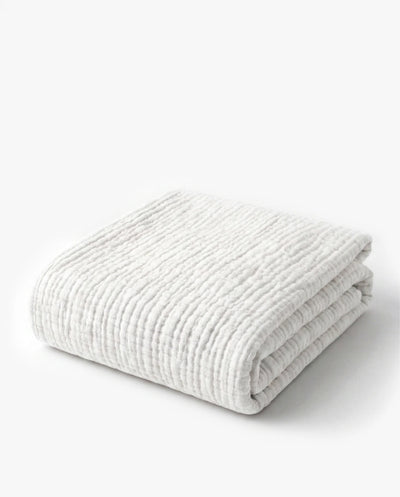
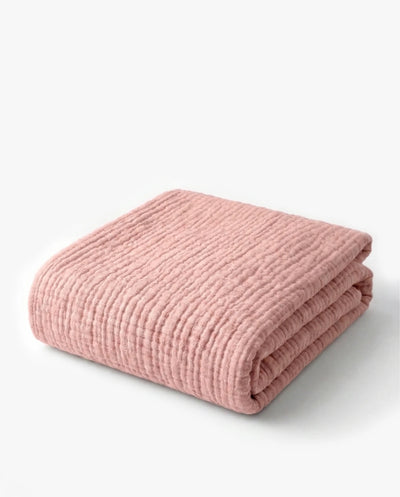
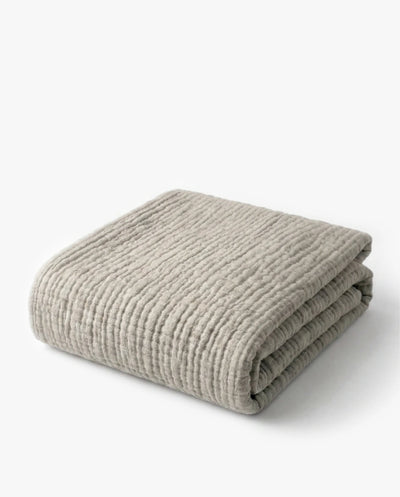
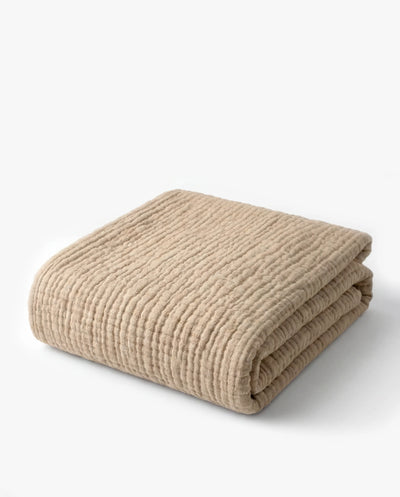
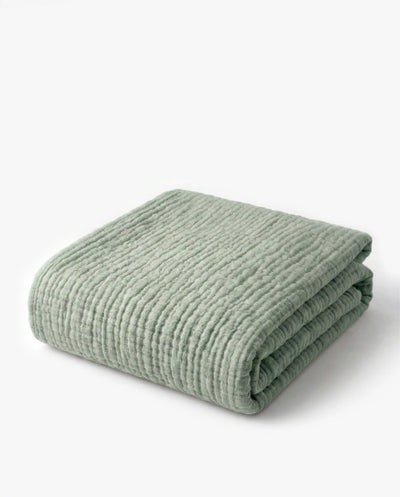
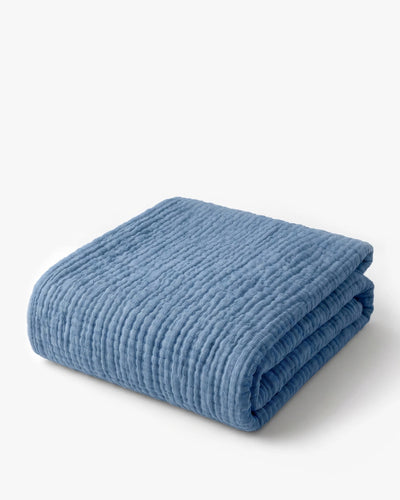


When temperatures drop, the right blanket can make your bedroom feel warmer, more comfortable, and inviting. But choosing a winter blanket isn't simply about finding the thickest option available. The best blanket depends on how warm you sleep, the climate you live in, the material you prefer, and how you plan to use it.
For many shoppers, fleece blankets are a practical winter choice because they offer a soft feel, warmth without excessive weight, and relatively easy care. Wool is another strong option when maximum natural insulation is the priority, while cotton can work well as a breathable layer or when combined with warmer materials.
In this buying guide, we'll explain what to look for when choosing cozy blankets for winter and how to find the right balance of warmth, softness, weight, and everyday practicality.
What Makes a Blanket Cozy for Winter?
A cozy winter blanket should do more than look soft. It should provide enough insulation for your sleeping environment while remaining comfortable enough for regular use.
When shopping for winter bedding, consider:
- Warmth and insulation
- Fabric softness
- Blanket weight
- Breathability
- Size and coverage
- Durability
- Ease of care
- How you plan to use the blanket
Material and construction both influence how warm a blanket feels. A thicker blanket isn't automatically warmer because insulation depends on the fabric and construction as well as thickness.
Best Cozy Blanket Materials for Winter
1. Fleece Blankets
If you're looking for a combination of softness, warmth, lightweight comfort, and easy maintenance, fleece blankets are one of the most practical choices for winter.
Fleece is typically made from polyester and has a soft, brushed texture. It can provide considerable warmth without the weight associated with some heavier winter blankets. It's also generally easy to wash and maintain, making it suitable for everyday bedrooms and living spaces.
Fleece is particularly useful for:
- Cold winter nights
- Everyday sleeping
- Sofa lounging
- Guest bedrooms
- Extra layers
- Movie nights
- Gifting
If softness is your main priority, you can also explore Softest Fleece Blankets for Ultimate Comfort (2026 Guide).
2. Wool Blankets
Wool is a traditional winter material and is known for excellent natural insulation. Its fibers can trap air while also helping manage moisture, making wool a strong option for people who want substantial warmth.
The downside is that wool can be more expensive and may require more careful cleaning than fleece. Some people also find certain types of wool less comfortable directly against the skin.
Wool is worth considering if your priority is natural insulation rather than the easiest possible maintenance.
3. Cotton Blankets for Layering
Cotton is naturally breathable and comfortable, but a lightweight cotton blanket by itself may not provide the same level of warmth as fleece or wool during very cold weather.
However, cotton can be excellent for layering.
You can place a cotton blanket underneath or over a warmer blanket to adjust your bedding as temperatures change. This approach gives you more flexibility instead of relying on one extremely heavy blanket.
4. Sherpa and Plush Blankets
Sherpa and plush blankets are designed for people who want an especially soft and cozy winter feel.
Their fluffy texture makes them popular for sofas, bedrooms, and relaxing during cold evenings. They're particularly appealing if you want your blanket to feel warm and luxurious rather than simply functional.
Why Fleece Blankets Are Popular for Winter
Among the different winter blanket options, fleece has a useful combination of features.
Soft Feel
A soft fleece surface feels comfortable against the skin and creates the cozy sensation many people want during winter.
Warmth Without Excessive Weight
Fleece can provide warmth without necessarily feeling as heavy as some traditional winter materials. This makes it easier to fold, store, move, and use around the home.
Easy Everyday Care
Many fleece blankets are designed for regular washing and are easier to maintain than materials that require specialized cleaning. Always follow the manufacturer's specific care instructions.
Versatile Use
A fleece blanket isn't limited to your bed. You can use it on a sofa, reading chair, guest bed, or even take it with you while traveling.
For more information about selecting fleece specifically, read How to Choose a High-Quality Fleece Blanket (Buyer Guide).
How to Choose the Right Winter Blanket
Consider How Cold You Get at Night
Your sleeping temperature should be one of the first things you consider.
If you naturally feel cold, choose a warmer and more insulating blanket. If you sleep warm, an extremely heavy blanket may leave you uncomfortable.
Don't simply choose the thickest blanket available. The right balance of material, construction, and weight matters more than thickness alone.
Think About Your Climate
Winter doesn't feel the same everywhere.
Someone living in a mild climate may only need a medium-weight fleece blanket, while someone experiencing very cold winter temperatures may prefer a heavier blanket or several layers.
This is another reason layering can be useful.
Choose the Right Weight
A cozy blanket shouldn't necessarily feel heavy.
If you frequently move your blanket between your bed and sofa, a lightweight-to-medium-weight option may be easier to handle. If you're looking for maximum warmth for a cold bedroom, a heavier construction may make more sense.
Check the Size
Size matters more than many shoppers realize.
A throw-size blanket can be perfect for a sofa, while a bed blanket should provide enough coverage for your mattress and sleeping position.
Before buying, check the product dimensions rather than relying only on labels such as "Queen" or "King."
Check the Fabric Finish
Look closely at the surface texture and edges.
A quality blanket should have an even finish and well-constructed edges. If the blanket will be used every night, durable stitching can make a significant difference over time.

Cozy Blanket for the Bedroom vs. Living Room
Your intended use can change which blanket is best.
For the Bedroom
Choose a larger blanket that provides enough coverage and works well with your existing bedding.
A fleece blanket can be used as an additional winter layer or as your primary blanket, depending on your climate and personal preference.
For the Living Room
A smaller throw can be more practical. It can stay on your sofa or chair and be used whenever you feel cold.
Look for a color and texture that complements your existing décor so the blanket works as both a comfort item and an attractive home accessory.
Should You Choose One Heavy Blanket or Multiple Layers?
There's no universal answer.
A single warm blanket is convenient and simple, while layering gives you more control over temperature.
For example, you might use a breathable base layer with a fleece blanket on top during colder nights. When the temperature rises, you can remove the extra layer without changing your entire bedding setup.
Layering can be particularly useful when winter temperatures fluctuate throughout the day and night.
How to Keep Your Winter Blanket Soft and Cozy
Even a high-quality blanket can lose some of its original feel if it isn't cared for properly.
Always follow the manufacturer's care instructions, but keep these general practices in mind:
- Wash the blanket according to the recommended temperature.
- Use an appropriate detergent.
- Avoid excessive heat when drying unless the care label allows it.
- Don't overload the washing machine.
- Store blankets somewhere clean and dry.
- Follow special cleaning instructions for wool or delicate fabrics.
Proper care helps preserve the blanket's texture and appearance while keeping it ready for repeated winter use.
Common Mistakes When Buying a Winter Blanket
Choosing Only by Thickness
A thick blanket isn't automatically the warmest. Material and construction play an important role in insulation.
Ignoring Your Sleeping Temperature
A very warm blanket may be uncomfortable if you're naturally a hot sleeper.
Buying the Wrong Size
A blanket that's too small won't provide adequate coverage, while an unnecessarily large blanket can be difficult to handle.
Forgetting About Maintenance
Always check how the blanket should be washed and dried before purchasing.
Choosing Style Over Comfort
A blanket can look beautiful but still fail to provide the warmth or softness you need. Consider appearance, but make comfort and function the priority.
Which Winter Blanket Is Right for You?
If you want softness, warmth, lightweight comfort, and easy everyday care, fleece is an excellent choice.
If you prioritize natural insulation and moisture management, wool is worth considering.
If you want breathability and flexible layering, cotton can be useful as part of your winter bedding setup.
Ultimately, the best cozy blanket is the one that matches your sleeping habits, climate, preferred texture, and maintenance preferences.
Why Choose The Cotton Living?
At The Cotton Living, we believe a good blanket should combine comfort with everyday practicality.
Our blankets are designed for different moments around the home, from relaxing on the sofa to adding an extra layer to your bed on a cold night.
Whether you're looking for a soft fleece blanket for winter or a lightweight cotton option for warmer weather, choosing the right material can make your bedding much more comfortable throughout the year.
Frequently Asked Questions
What is the coziest blanket for winter?
Fleece, sherpa, wool, and plush blankets can all provide a cozy winter feel. Fleece is particularly popular because it combines softness, warmth, relatively low weight, and easy care.
Are fleece blankets good for cold winter nights?
Yes. Fleece is a popular winter material because it provides warmth while remaining relatively lightweight. For particularly cold conditions, you can also layer fleece with other bedding.
Is a thick blanket always warmer?
No. Thickness alone doesn't determine warmth. Material and construction also affect how effectively a blanket insulates.
Is fleece warmer than cotton?
Generally, fleece is better suited to providing winter warmth, while cotton is more breathable and often better suited to lightweight or warm-weather bedding.
What is the best blanket for someone who sleeps cold?
A warmer fleece, wool, sherpa, or plush blanket can be a good option for cold sleepers. Your room temperature and personal comfort should determine how heavy or insulating the blanket needs to be.
Can I use a fleece blanket every day?
Yes. A good fleece blanket can be used regularly on beds, sofas, guest beds, and other areas of the home, provided it is cared for according to the manufacturer's instructions.
Final Thoughts
The best cozy blankets for winter aren't necessarily the thickest or most expensive. The right choice depends on how cold you sleep, your climate, the level of warmth you prefer, and how much maintenance you're willing to do.
For shoppers who want a soft, warm, lightweight, and practical option, fleece blankets are a strong choice for everyday winter comfort. Wool can be ideal for natural insulation, while cotton works well when you want breathable layering.
At The Cotton Living, choosing the right blanket starts with understanding what you actually need from your bedding. Once you consider warmth, softness, weight, size, and care, finding your ideal winter blanket becomes much easier.


