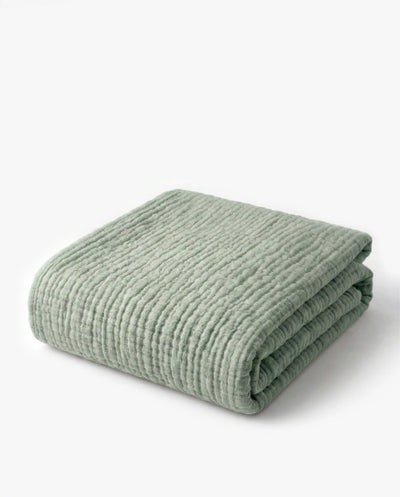
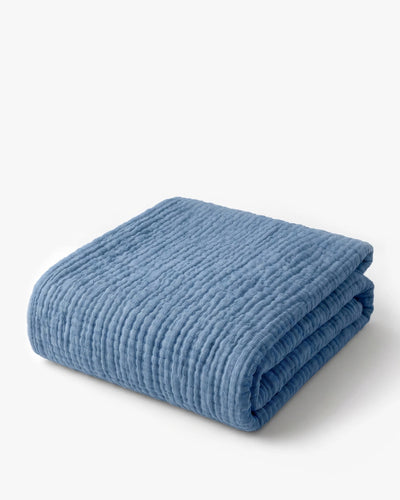


Choosing the right blanket can completely change your sleeping experience. Some people prefer lightweight and breathable bedding, while others look for extra warmth and coziness during colder nights.
Two of the most popular options today are muslin blankets and fleece blankets. Both offer comfort, but they are designed for very different needs and sleeping preferences.
In this guide, we’ll compare muslin vs fleece blankets based on comfort, breathability, warmth, weight, durability, maintenance, and seasonal use so you can decide which one fits your lifestyle best.
What Is a Muslin Blanket?
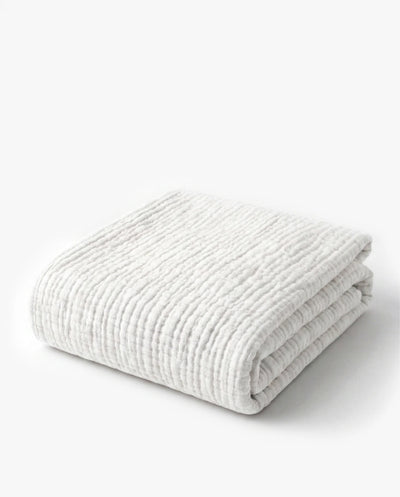
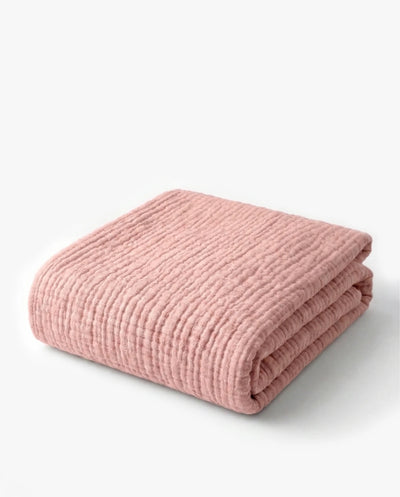
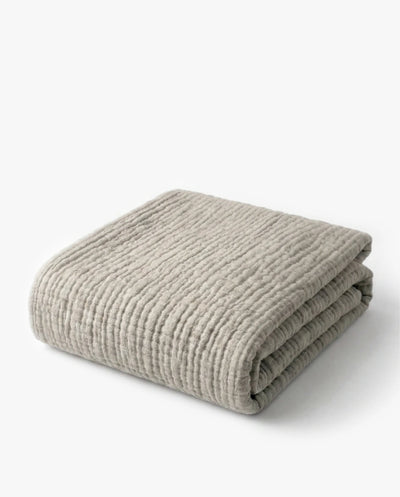
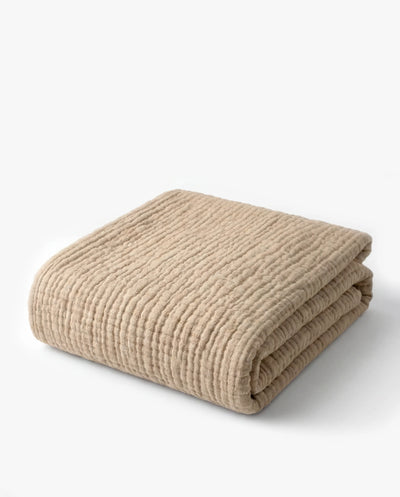
A muslin blanket is made from loosely woven cotton fabric that feels soft, breathable, and lightweight. Muslin is widely known for its airy texture, making it ideal for people who prefer cooler and more comfortable sleep.
A premium muslin cotton blanket becomes softer after every wash and is especially popular among hot sleepers and those who prefer natural fabrics.
Benefits of Muslin Blankets
- Lightweight and breathable
- Softens over time
- Comfortable for warm climates
- Gentle on sensitive skin
- Easy to layer with bedding
- Ideal for all-season comfort
If you’re looking for a breathable muslin blanket with a soft, premium feel, explore our muslin collection at The Cotton Living.
What Is a Fleece Blanket?
A fleece blanket is usually made from synthetic fibers such as polyester. It is designed to trap heat and provide warmth, making it a popular option for winter use.
Fleece blankets are known for their plush texture and cozy feel. They are commonly used during colder months or in air-conditioned environments where extra insulation is needed.
Benefits of Fleece Blankets
- Extremely warm and cozy
- Soft plush texture
- Affordable and easy to maintain
- Great for cold weather
- Lightweight despite being warm
Muslin vs Fleece Blanket – Key Differences
1. Breathability
Muslin blankets are naturally breathable because of their loose cotton weave. Air flows easily through the fabric, helping regulate body temperature throughout the night.
Fleece blankets, on the other hand, trap heat. While this makes them warmer, they may feel too hot for some sleepers.
If you often wake up feeling overheated, a breathable cotton muslin blanket is usually the better choice. For a deeper breakdown of comfort, warmth, and seasonal use, read our complete fleece vs muslin blanket comparison guide.
2. Warmth
Fleece blankets provide more insulation and warmth compared to muslin blankets. They are ideal for winter nights or colder climates.
Muslin blankets provide balanced comfort rather than heavy warmth. They work especially well during spring, summer, and mild weather conditions.
3. Weight and Feel
Muslin blankets feel airy, soft, and lightweight. Many people prefer them because they don’t feel heavy while sleeping.
Fleece blankets feel plush and cozy, but can feel thicker and warmer against the body.
4. Material
Muslin blankets are commonly made from natural cotton fibers.
Fleece blankets are generally made from synthetic polyester materials.
People who prefer natural bedding often choose cotton muslin blankets because of their softness and breathability.
5. Best Season to Use
Muslin Blanket
- Summer
- Spring
- Mild weather
- Layering year-round
Fleece Blanket
- Winter
- Cold weather
- Air-conditioned rooms
Which Blanket Is Better for Hot Sleepers?
For hot sleepers, muslin blankets are usually the better option. Their breathable cotton construction allows better airflow and helps reduce overheating during sleep.
A lightweight cotton blanket can provide comfort without trapping excessive heat, making it ideal for everyday use.
If you struggle with overheating during sleep, you may also like our detailed guide on why muslin blankets are perfect for hot weather.

Which Blanket Feels Softer?
Both blankets feel soft in different ways.
- Muslin blankets feel airy, smooth, and natural.
- Fleece blankets feel plush, fluffy, and warm.
Many people prefer soft muslin blankets because they become even softer after repeated washing.
Durability and Maintenance
Muslin blankets are durable when properly cared for and maintain their softness over time.
Fleece blankets are easy to wash and dry quickly, but lower-quality fleece may pill after repeated use.
For long-term comfort and breathability, premium cotton muslin blankets remain a popular choice.
Muslin vs Fleece Blanket – Which One Should You Choose?
The right blanket depends on your sleeping habits and climate preferences.
Choose a muslin blanket if you want:
- Breathability
- Lightweight comfort
- Natural cotton fabric
- Better airflow
- Year-round usability
Choose a fleece blanket if you want:
- Extra warmth
- Winter comfort
- Plush texture
- Cozy insulation
Final Thoughts
Still unsure which blanket fits your needs? Read our complete guide to choosing the right blanket for every season and sleeping style.
Both muslin and fleece blankets offer comfort, but they serve different purposes. Muslin blankets are lightweight, breathable, and perfect for comfortable everyday sleep, while fleece blankets are better suited for colder environments and maximum warmth.
If you prefer soft, breathable, and premium-quality bedding, a muslin cotton blanket can be an excellent long-term addition to your home.
Explore premium breathable blankets at The Cotton Living and experience comfort designed for better sleep.
Frequently Asked Questions
Is muslin better than fleece for summer?
Yes, muslin blankets are more breathable and lightweight, making them ideal for warm weather and hot sleepers.
Are muslin blankets warm enough for winter?
Muslin blankets provide light warmth and work well for layering, but fleece blankets offer more insulation during very cold weather.
Do muslin blankets get softer after washing?
Yes, cotton muslin blankets become softer with regular washing while maintaining breath-ability.
Which blanket is more breathable?
Muslin blankets are significantly more breathable compared to fleece blankets.
Are fleece blankets heavier than muslin blankets?
Fleece blankets feel thicker and warmer, while muslin blankets feel lighter and airier.


